
Late fall and winter can bring different risks for nonprofits and commercial businesses, even in regions better known for mild weather. Rain, wind, colder mornings, reduced daylight, and changing road conditions can affect buildings, vehicles, employees, visitors, and daily operations. A little advance planning can help your organization respond more confidently when conditions change.
For leaders across Orange County and the Western and Southwestern states, winter risk management is not about expecting the worst. It is about identifying practical vulnerabilities, assigning responsibilities, and reviewing whether your insurance program still reflects the way your organization operates. Comprehensive Insurance Services helps nonprofits and businesses take that thoughtful, tailored approach.
Start With a Seasonal Property Walk-Through
A property inspection is a useful first step before heavier rain or colder weather arrives. Walk the exterior and interior of each location with a simple checklist, and document items that need attention. Look for loose roof materials, clogged gutters, damaged flashing, standing water near foundations, cracked pavement, poor drainage, and tree limbs that could fall onto buildings, vehicles, or walkways.
Inside, check for signs of water intrusion around windows, ceilings, doors, and utility areas. Make sure heating equipment, alarms, and backup power systems are inspected according to manufacturer recommendations and local requirements. If your organization stores supplies, records, food, equipment, or donated goods, consider whether they are elevated off the floor and protected from a potential leak.
Property insurance can be an important part of a broader response plan, but maintenance and early reporting matter as well. Keep photos, invoices, inspection notes, and repair records in an accessible location. These materials can help demonstrate the steps your organization took to care for its property if an incident occurs.
Reduce Slip-and-Fall Hazards Before They Become Claims
Rainy days often create slippery entrances, hallways, parking areas, and loading zones. For nonprofits that welcome clients, volunteers, donors, and community members, and for businesses with customers or vendors on site, these conditions deserve consistent attention.
Place absorbent mats at entrances, and inspect them throughout the day so they do not become saturated or curl at the edges. Post wet-floor signs promptly when needed. Repair uneven pavement, loose handrails, poor lighting, and damaged stair treads. Exterior walkways should have adequate drainage, and staff should know who is responsible for checking common areas during storms.
It is also wise to review procedures for incident reporting. Employees should know how to document what happened, preserve relevant video when available, take photographs, obtain witness information, and notify the appropriate internal contact. Liability insurance may respond to certain covered allegations or claims, but coverage depends on policy terms, conditions, exclusions, and the specific circumstances involved.
Prepare Business Autos and Fleets for Changing Conditions
Whether your organization operates one delivery vehicle or a larger fleet, seasonal readiness can reduce avoidable disruptions. Schedule inspections for tires, brakes, windshield wipers, lights, batteries, fluid levels, defrosters, and heating systems. Confirm that registration, maintenance logs, emergency kits, and roadside-assistance information are current.
Drivers should understand expectations for wet roads, high winds, reduced visibility, and travel through higher-elevation areas where conditions may change quickly. Reinforce safe following distances, distraction-free driving, seat belt use, and the authority to delay or cancel travel when conditions do not appear safe. For organizations serving multiple Western and Southwestern states, confirm that drivers know whom to contact after an accident and where to find proof of insurance and accident-reporting instructions.
Commercial auto coverage is only one piece of fleet risk management. Clear driver screening, training, vehicle-use rules, and prompt maintenance all support safer operations. Comprehensive Insurance Services can help leaders review how vehicle use, hired or non-owned autos, and changing fleet needs fit within their overall commercial insurance program.
Include Workers’ Compensation in Seasonal Planning
Seasonal risks can affect employees as well as visitors. Slippery walking surfaces, lifting wet or heavy materials, working in cold or windy conditions, and driving between locations may all increase the chance of workplace injuries. Review job-specific safety practices with supervisors and employees, especially for teams that work outdoors, perform maintenance, make deliveries, or support events.
Encourage prompt reporting of workplace injuries and near-misses. Early reporting helps your organization respond appropriately, arrange care when needed, and address hazards before someone else is hurt. Maintain clear return-to-work procedures that align with medical restrictions and applicable employment requirements.
Workers’ compensation insurance is a key protection for many employers, but responsibilities do not end with the policy. Accurate payroll classifications, updated job descriptions, safety training records, and a consistent reporting process are all important. If your workforce has changed, a review can help identify whether your workers’ compensation insurance information remains current.
Update Emergency Contacts and Response Plans
When a power outage, water leak, wind event, vehicle accident, or other disruption happens, employees should not have to search for the next step. Create or update an emergency contact list that includes leadership, facilities personnel, security, key employees, restoration vendors, landlords, utility providers, alarm companies, IT support, and your insurance contacts.
Store the list in more than one location, including a secure digital format that designated leaders can access away from the office. Confirm who has authority to approve emergency repairs, communicate with staff and stakeholders, and report a loss. For nonprofit organizations, it can also be helpful to identify how program participants, volunteers, donors, and board members will receive timely updates if operations are interrupted.
A brief tabletop discussion can make a plan more practical. Ask: What would we do if a storm damaged the building overnight? Who would contact the property manager? How would we protect records and equipment? Which programs or services must continue first? These conversations can reveal small gaps before they become urgent problems.
Coordinate With Vendors Before Severe Weather
Reliable vendor relationships are especially valuable when many organizations need help at the same time. Confirm contact information and availability for plumbers, electricians, roofers, restoration companies, landscapers, towing providers, and security vendors. Ask whether vendors have after-hours procedures, response-time expectations, and documentation practices that support your internal reporting process.
Review vendor agreements and certificates of insurance when appropriate. Depending on the services provided, your organization may want to confirm that contractual insurance requirements, indemnification language, and additional-insured requests are handled carefully. Requirements should be tailored to the work involved rather than copied from a generic template.
For nonprofits, vendor coordination may also include event partners, transportation providers, caterers, and temporary staffing organizations. Thoughtful nonprofit coverage planning considers the activities that create exposure, not simply the organization’s size or mission.
Revisit Liability and Umbrella Limits
Late fall and winter planning is a good opportunity to step back and review your broader liability protection. Has your organization added locations, vehicles, events, employees, volunteers, contracts, programs, or services? Has the value of your property or the size of your operations changed? These updates can affect the liability limits and umbrella coverage your organization may wish to consider.
An umbrella policy may provide additional liability limits above certain underlying policies, subject to its own terms and conditions. It is not a substitute for maintaining appropriate underlying limits, and it does not automatically cover every type of loss. Still, reviewing umbrella limits alongside general liability, auto liability, and employer-related exposures can be an important part of a sound risk management conversation.
Comprehensive Insurance Services has supported organizations from its Lake Forest, California office for more than 33 years. As an independent California insurance agency, we work with nonprofits and commercial businesses throughout Orange County and across the Western and Southwestern states to help clarify options and align business insurance solutions with real operational needs.
FAQ
What seasonal property maintenance should businesses prioritize?
Focus on roofs, gutters, drainage, exterior lighting, walkways, trees, heating systems, and signs of leaks or water intrusion. Addressing small maintenance issues early may help reduce the likelihood of larger disruptions during storms or colder weather.
How can a nonprofit reduce slip-and-fall risk during rainy weather?
Use entrance mats, promptly place wet-floor signs, maintain lighting and handrails, inspect walkways, and assign staff members to monitor common areas. Train employees to document and report incidents consistently.
What should be included in a business fleet winter readiness check?
Inspect tires, brakes, batteries, lights, wipers, fluids, and heating or defrosting systems. Drivers should also have current emergency contacts, accident-reporting instructions, and clear guidance about operating in unsafe conditions.
Why should employers review workers’ compensation information?
Changes in staffing, payroll, job duties, or operations may affect the accuracy of policy information. Reviewing classifications, safety procedures, and injury-reporting processes can help keep your program aligned with current operations.
When should an organization review liability and umbrella coverage?
A review is useful when your organization changes locations, adds vehicles or programs, enters new contracts, hosts more events, expands services, or experiences growth. An independent agent can explain available options, but no policy should be assumed to cover every situation.
Clear preparation supports stronger decision-making when weather and operating conditions shift. If your nonprofit or commercial business would like to review property, liability, auto, workers’ compensation, umbrella, or risk management considerations, contact Comprehensive Insurance Services at (949) 709-8800 to discuss your organization’s needs.
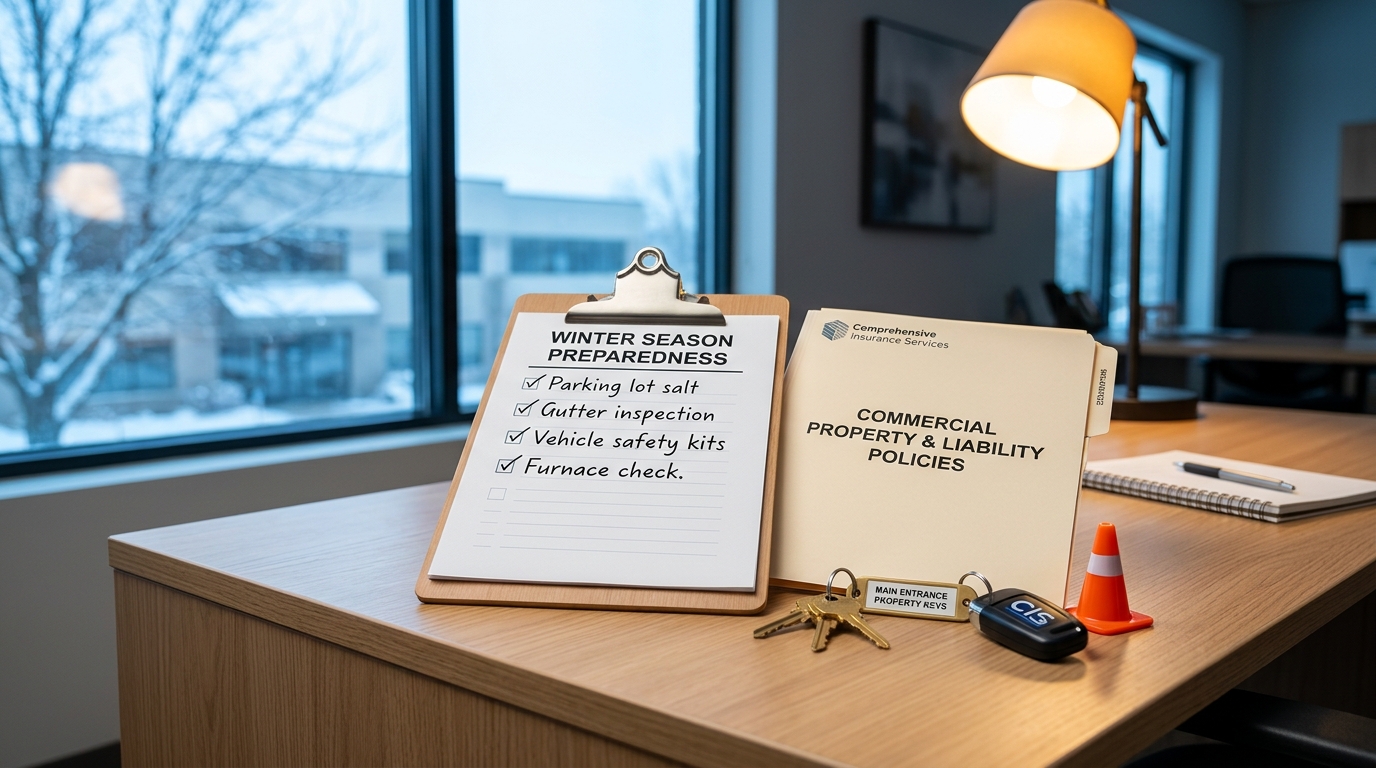
A Winter Risk Checklist for Nonprofits and Commercial Organizations

Near Miss Reporting for Proactive Workplace Safety

Why Employment Practices Liability Insurance Matters

Fall Prevention Tips for Businesses
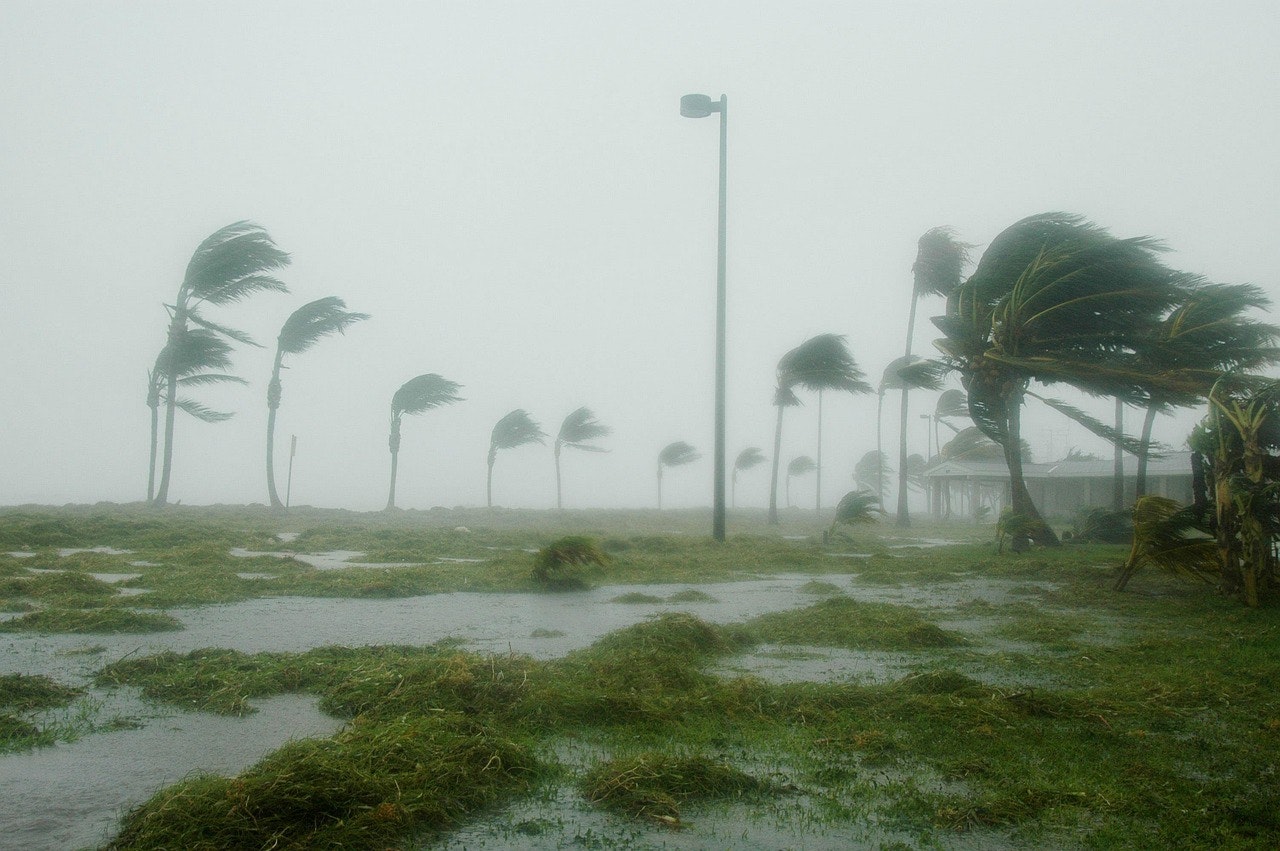
El Niño Insurance Readiness for California Organizations

Cyber Insurance for Businesses: What You Need to Know
Commercial Umbrella Liability
When Business Growth Outpaces Insurance Coverage

Business Travel Insurance Reminder
Why Business Travel Insurance Is Essential Today

The Hidden Impact of Underinsurance on Small Businesses
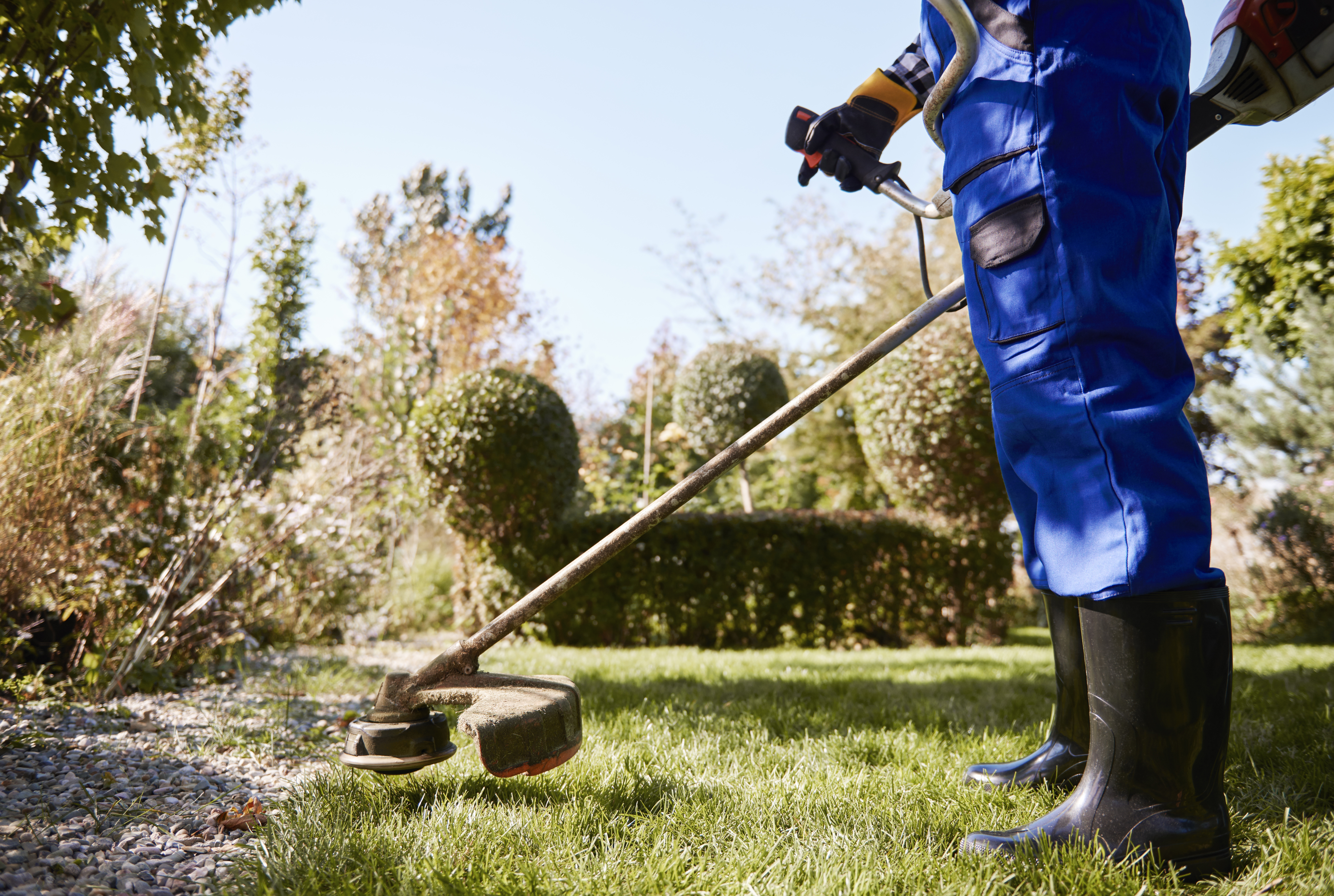
Spring Safety Tips For Outdoor Workers And Business Owners

Spring Maintenance Tips for Commercial Properties

Smart Add‑Ons: Commercial Insurance Riders That Can Strengthen Your Coverage

Spring Safety Tips for Commercial Drivers

Why Commercial Umbrella Coverage Is Becoming Essential for Today’s Businesses

Common Questions About Small Business Insurance: What Every Owner Should Understand