
El Niño can bring a higher likelihood of wetter conditions across parts of the southern United States, creating added concerns for heavy rain, flooding, drainage failures, wind damage, and operational disruptions. For nonprofits and commercial organizations, the right response is not panic—it is a practical review of property protection, flood exposure, emergency plans, and insurance coverage before severe weather arrives.
At Comprehensive Insurance Services, we help organizations in Orange County and across the Western and Southwestern states turn weather-related uncertainty into a clear risk management plan. A proactive coverage review can help your organization understand what is protected, where gaps may exist, and what steps can reduce the impact of a major storm.
Why El Niño Matters to Businesses and Nonprofits
El Niño is a climate pattern that can influence weather conditions over many months. In California, its effects can vary by location and by individual storm system, but organizations should be prepared for the possibility of intense rainfall, localized flooding, saturated ground, wind-driven rain, and transportation interruptions.
A single severe storm can affect far more than the building itself. Water may damage furniture, technology, inventory, records, equipment, and improvements made by tenants. Employees may be unable to travel safely, vendors may experience delays, and a nonprofit may be forced to postpone a program, fundraising event, or community service.
That is why El Niño preparedness should be part of a broader business insurance and risk management conversation—not just a seasonal maintenance checklist.
Understand the Difference Between Water Damage and Flood Coverage
One of the most important insurance questions for any organization is whether its policy responds to the type of water damage it may face. Commercial property insurance may cover certain sudden and accidental water losses, such as damage from a burst pipe or a covered roof-related event. However, coverage always depends on the specific policy language, exclusions, limits, deductibles, and endorsements.
Flood is commonly treated differently. Standard commercial property insurance and nonprofit coverage often exclude flood-related damage, including losses caused by surface water, overflow, or water that accumulates outside and enters a building. Flood insurance may need to be purchased separately through the National Flood Insurance Program or a private insurer.
It is also important to distinguish between mudflow and other forms of earth movement. Water-related soil movement, landslides, slope failures, and debris flow can involve complicated coverage questions. Organizations near hillsides, burn-scar areas, drainage channels, or low-lying streets should review these exposures carefully with an experienced California insurance agency.
Review Property Values Before Storm Season
Insurance limits that looked appropriate several years ago may no longer reflect today’s replacement costs. Construction materials, labor, equipment, furniture, and technology can all cost more to replace after a widespread weather event. If a building, tenant improvement, or contents limit is too low, an organization may face an unexpected out-of-pocket expense after a covered loss.
Start by updating your property schedule. Confirm the value of buildings you own, business personal property, computers, specialized equipment, inventory, outdoor signs, and leased improvements. Nonprofits should also account for donated goods, program supplies, and equipment used off-site.
For organizations with several locations, make sure each address is listed correctly and that property values are assigned to the appropriate location. A thorough property insurance review should also consider whether replacement cost valuation, ordinance or law coverage, and debris-removal limits are adequate for your organization’s needs.
Plan for Business Income and Extra Expense Losses
Storm damage can create a financial loss even when the physical damage is manageable. If a covered event forces a business to close temporarily, relocate, reduce hours, or suspend operations, business income coverage may help address certain lost income and continuing expenses. Extra expense coverage may help with eligible costs incurred to continue operations, such as renting temporary space or equipment.
However, business interruption protection typically depends on a direct physical loss from a covered cause of loss. A closure caused by flooding may not be covered under a commercial property policy if flood is excluded and no separate flood coverage is in place.
Organizations should ask practical questions: How long could we operate without access to our premises? Could we serve clients remotely? What would it cost to rent temporary space? Do we have current backups for payroll, donor information, client files, and accounting records? These answers can help determine whether your business insurance solutions align with real operational needs.
Protect Employees, Vehicles, and Visitors
El Niño-related storms can create risks beyond the office or facility. Employees may face hazardous commutes, slippery walkways, falling branches, poor visibility, and vehicle accidents. A strong workers’ compensation insurance program should be paired with clear safety procedures for severe-weather days, including guidance on remote work, travel expectations, and reporting hazards.
Commercial auto insurance is also important for organizations that use company vehicles, transport equipment, make deliveries, or provide services in the community. Review driver expectations, vehicle maintenance, roadside assistance procedures, and protocols for avoiding flooded roads. No deadline, delivery, or appointment is worth driving into dangerous conditions.
Liability insurance should also be part of the discussion. Wet entryways, pooling water, damaged walkways, and falling debris can create potential injury exposures for visitors, volunteers, clients, and employees. Routine inspections and prompt documentation of hazards are important risk management practices.
Create a Storm-Response Checklist
A written plan helps your team respond quickly when a forecast changes. Assign responsibility for monitoring weather alerts, communicating closures, protecting equipment, documenting damage, and contacting vendors. Keep emergency contact information current for employees, building management, restoration contractors, and your insurance advisor.
- Clear gutters, drains, and nearby stormwater paths where appropriate.
- Move valuable equipment, records, and inventory away from floor-level storage.
- Test backup systems and store critical records securely.
- Inspect roofs, windows, doors, and exterior drainage for visible concerns.
- Photograph key areas and maintain an updated inventory of property.
- Review evacuation, remote-work, and client communication procedures.
For many organizations, the most valuable step is completing this work before a storm is approaching. Coverage changes and flood insurance may involve waiting periods, so last-minute decisions can limit available options.
How Comprehensive Insurance Services Can Help
Every organization has a different risk profile. A nonprofit may need to protect mission-critical programs, volunteers, donated property, and community events. A commercial business may be focused on inventory, customer access, equipment, contractual obligations, and continuity of operations.
Comprehensive Insurance Services provides tailored nonprofit insurance and commercial insurance guidance designed around those differences. Our team can help review property insurance, liability insurance, workers’ compensation insurance, commercial auto, umbrella coverage, flood considerations, and practical risk management strategies.
For organizations in Lake Forest, Orange County, and beyond, preparation starts with understanding your actual exposures—not assuming that every type of storm damage is automatically covered.
FAQ
Does commercial property insurance cover flood damage?
Often, flood damage is excluded from standard commercial property policies. Flood coverage may require a separate policy, so it is important to review your specific coverage before severe weather develops.
Should nonprofits consider flood insurance?
Yes. Nonprofits can have valuable property, equipment, records, and program supplies at risk. Even organizations outside traditionally high-risk areas may want to assess flood exposure and available coverage options.
Will business income coverage apply after a storm?
It may apply when a covered direct physical loss causes an interruption, subject to the policy’s terms and conditions. If the underlying cause of loss is excluded, such as uncovered flooding, business income coverage may not respond.
What should we review before an El Niño season?
Review property values, flood exposure, deductibles, business income limits, emergency contacts, employee safety procedures, and your storm-response plan. Confirm that your organization understands key exclusions and endorsements.
When should we contact our insurance advisor?
Contact your advisor well before severe weather is expected. Early review gives your organization more time to evaluate coverage options, complete maintenance, and strengthen its risk management plan.

Fall Prevention Tips for Businesses
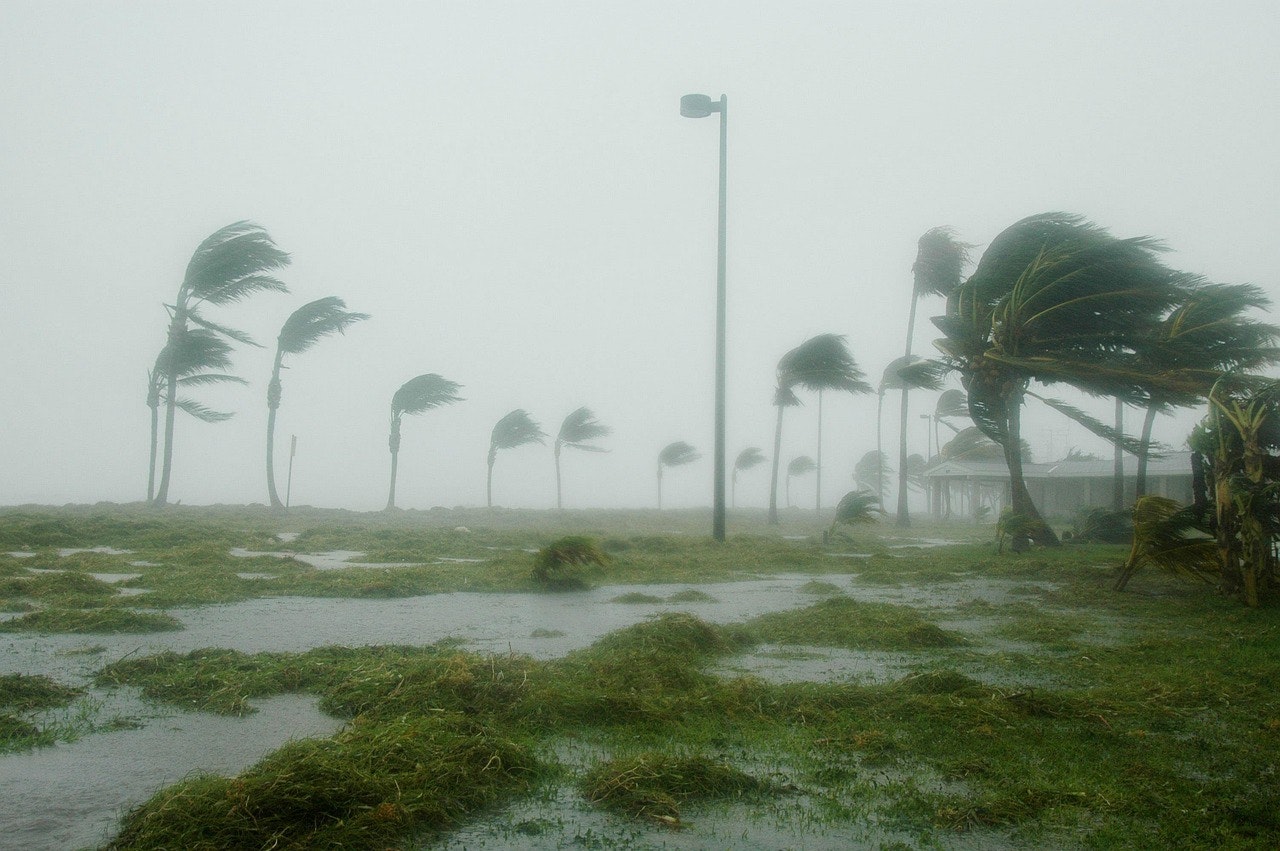
El Niño Insurance Readiness for California Organizations

Cyber Insurance for Businesses: What You Need to Know
Commercial Umbrella Liability
When Business Growth Outpaces Insurance Coverage

Business Travel Insurance Reminder
Why Business Travel Insurance Is Essential Today

The Hidden Impact of Underinsurance on Small Businesses
Spring Safety Tips For Outdoor Workers And Business Owners
Spring Maintenance Tips for Commercial Properties

Smart Add‑Ons: Commercial Insurance Riders That Can Strengthen Your Coverage

Spring Safety Tips for Commercial Drivers

Why Commercial Umbrella Coverage Is Becoming Essential for Today’s Businesses

Common Questions About Small Business Insurance: What Every Owner Should Understand