
September’s Fall Prevention Awareness Month is a valuable time for businesses to revisit the everyday conditions that can lead to workplace injuries. Slips, trips, and falls can happen in nearly any setting, affecting employees, customers, vendors, and visitors. By identifying hazards early and maintaining practical safety routines, organizations can help protect people while reducing disruptions to daily operations.
For nonprofits and commercial businesses alike, fall prevention is an important part of a broader risk management approach. Small details such as a wet entryway, an obstructed hallway, or inadequate lighting can create significant exposure when they are overlooked. Consistent attention to these conditions can support a safer, more dependable workplace throughout the year.
Why Fall Prevention Deserves Ongoing Attention
Slip, trip, and fall risks are present across a wide range of workplaces, including offices, retail locations, warehouses, healthcare settings, restaurants, construction sites, and exterior business property. Hazards may develop indoors or outside, and they do not always appear serious at first glance.
A cord across a walking path, an unmarked freshly mopped floor, or a dim stairwell can each lead to an avoidable injury. When a fall occurs, the effects may extend beyond the person who was hurt. Businesses may experience lost productivity, operational interruptions, workers’ compensation insurance claims, and liability concerns.
Taking preventive action helps safeguard the people who use a property and supports business continuity. Fall Prevention Awareness Month offers an appropriate reminder to review safety practices, reinforce current procedures, and keep hazard awareness visible across the organization.
Keep Paths of Travel Free of Obstacles
Clean, orderly work areas are among the most practical ways to reduce trip-and-fall hazards. Hallways filled with clutter, equipment left in common areas, unsecured cords, and uneven flooring can make it harder for people to move safely through a building.
Employees should be encouraged to keep individual workspaces neat and to avoid leaving items in shared walkways. Clear housekeeping expectations can make safety part of normal daily operations rather than something addressed only after a problem occurs.
Routine inspections are also helpful for spotting concerns before an accident happens. When a business consistently emphasizes organization and cleanliness, it is better positioned to maintain safer conditions for everyone on the premises.
Respond Promptly to Wet Floors and Moisture
Wet surfaces are a common cause of slip-related accidents. Spills, rain brought in from outside, and recently cleaned floors can all create unsafe footing when they are not addressed quickly.
Businesses can reduce this risk by using absorbent mats at entrances, placing caution signs where floors are wet, and setting clear expectations for spill cleanup. These measures help make people aware of changing conditions while limiting the time a hazard remains in place.
Seasonal weather deserves attention as well. Rain and other weather-related conditions can affect entrances, sidewalks, and high-traffic areas where moisture may collect. Reviewing these areas regularly can help organizations respond before a slippery surface contributes to an injury.
Make Lighting a Workplace Safety Priority
Good visibility is essential to fall prevention. People are less able to notice obstacles, changes in floor level, or uneven surfaces when lighting is insufficient.
Both interior and exterior lighting should be reviewed to make sure commonly used areas are properly illuminated. Stairways, hallways, parking lots, loading areas, and building entrances are especially important places to monitor because they are frequently used by employees and visitors.
As daylight becomes more limited later in the year, dependable lighting becomes even more important. Replacing burned-out bulbs and repairing faulty fixtures can make it easier for people to navigate the property safely.
Inspect Parking Areas, Sidewalks, and Entrances
Fall risks are not limited to what happens inside a building. Outdoor areas can also create serious hazards when they are not maintained and inspected on a regular basis.
Uneven pavement, damaged sidewalks, loose handrails, cracked walking surfaces, and seasonal debris such as wet leaves can all contribute to slips and trips. Parking lots, exterior walkways, and entrances should be reviewed for conditions that need maintenance or repair.
Addressing concerns promptly helps improve safety and may reduce potential liability insurance exposure connected to preventable accidents on business property. Regular exterior inspections are a practical component of commercial insurance risk management.
Review Ladder and Elevated Equipment Practices
Some workplaces involve additional fall exposure because employees use ladders, scaffolding, elevated platforms, or other specialized equipment. These tools require careful attention to help avoid potentially serious injuries.
Regular inspections are essential. Equipment that is damaged or defective should be taken out of service immediately rather than left available for use. Employees also need appropriate training before using ladders or performing work at elevated heights.
When workers understand safe procedures and employers maintain equipment responsibly, the likelihood of fall-related incidents can be reduced. This is an important consideration for businesses evaluating their workers’ compensation insurance needs and overall safety practices.
Encourage Job-Appropriate Footwear
Footwear can provide another important layer of slip prevention, especially in workplaces where floors may become wet, oily, or slick during regular operations. The right footwear cannot remove every hazard, but it can help improve traction in challenging conditions.
Employees should wear shoes that fit the responsibilities of their role and the environment where they work. In healthcare, hospitality, warehousing, and food service settings, slip-resistant footwear may help lower the likelihood of falls.
Proper footwear is most effective when it is paired with reliable housekeeping, prompt spill response, adequate lighting, and other established safety measures. A complete approach helps organizations better protect their employees and visitors.
Build Fall Prevention Into Employee Training
Training is one of the strongest tools available for reducing workplace fall risks. Employees who recognize common hazards are better prepared to avoid them, report them, and respond appropriately before an accident takes place.
New employees may be especially vulnerable because they are still becoming familiar with workplace procedures and expectations. Thorough onboarding and continued safety education can help them understand how to move safely through the environment and what to do when they identify a concern.
Training can address hazard recognition, spill response, safe walking habits, ladder safety, and reporting procedures. Regular safety conversations and reminders can keep fall prevention at the forefront throughout the year instead of treating it as a one-time initiative.
Support Safer Operations Through Prevention
Fall Prevention Awareness Month is a timely opportunity to strengthen workplace safety practices. By concentrating on housekeeping, property maintenance, lighting, appropriate equipment use, employee education, and hazard awareness, businesses can take meaningful steps to prevent slips, trips, and falls.
A proactive strategy can help protect employees, clients, customers, and visitors while limiting disruptions that follow preventable accidents. For organizations in Orange County and beyond, thoughtful risk management can also inform decisions about property insurance, liability insurance, workers’ compensation insurance, and other business insurance solutions.
Comprehensive Insurance Services, an independent California insurance agency based in Lake Forest, helps nonprofits and commercial businesses consider the insurance and risk management issues connected to workplace safety. With tailored nonprofit coverage, commercial insurance, and long-term support, our team can help organizations evaluate insurance protection that aligns with their operations and goals.

Why Employment Practices Liability Insurance Matters
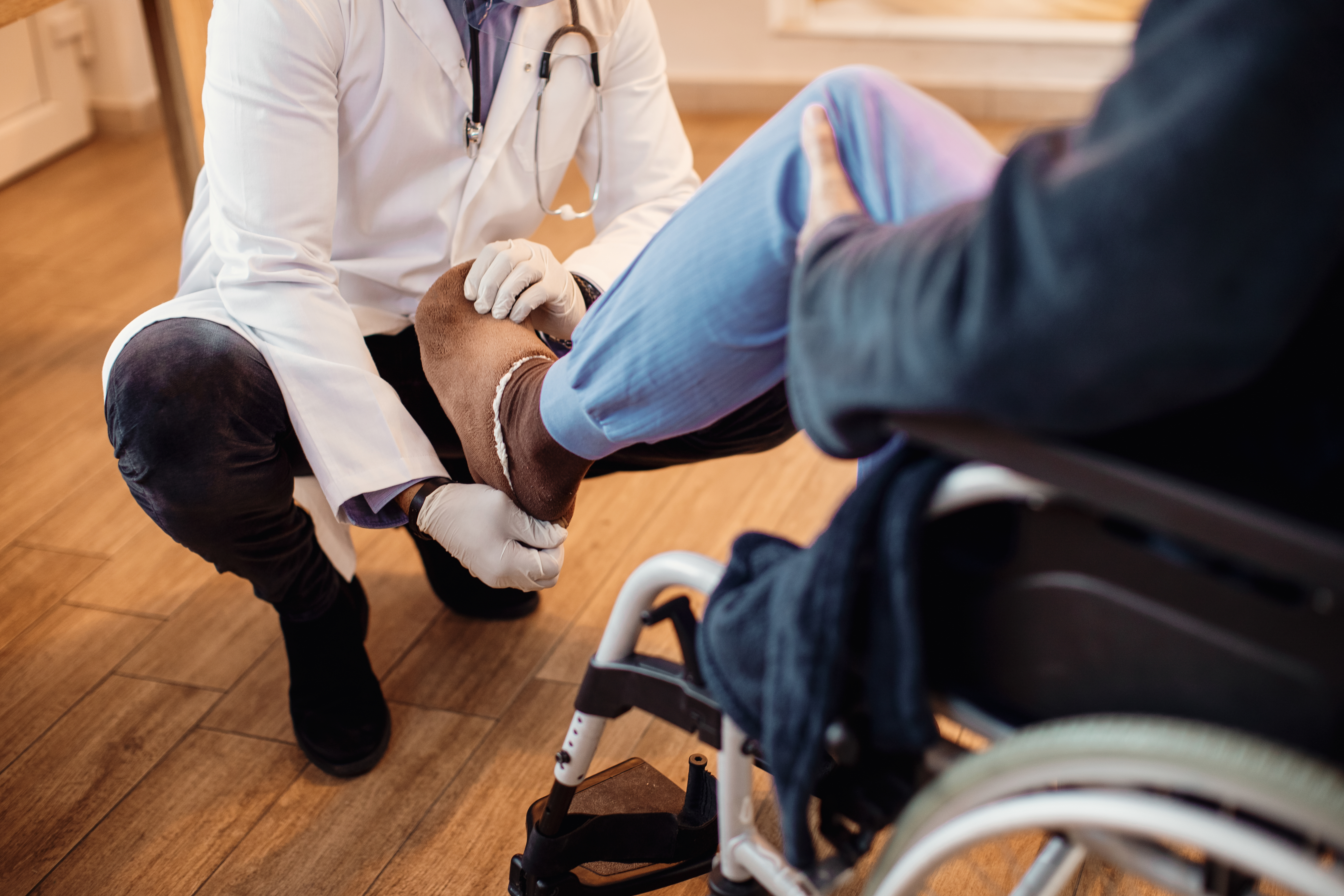
Fall Prevention Tips for Businesses
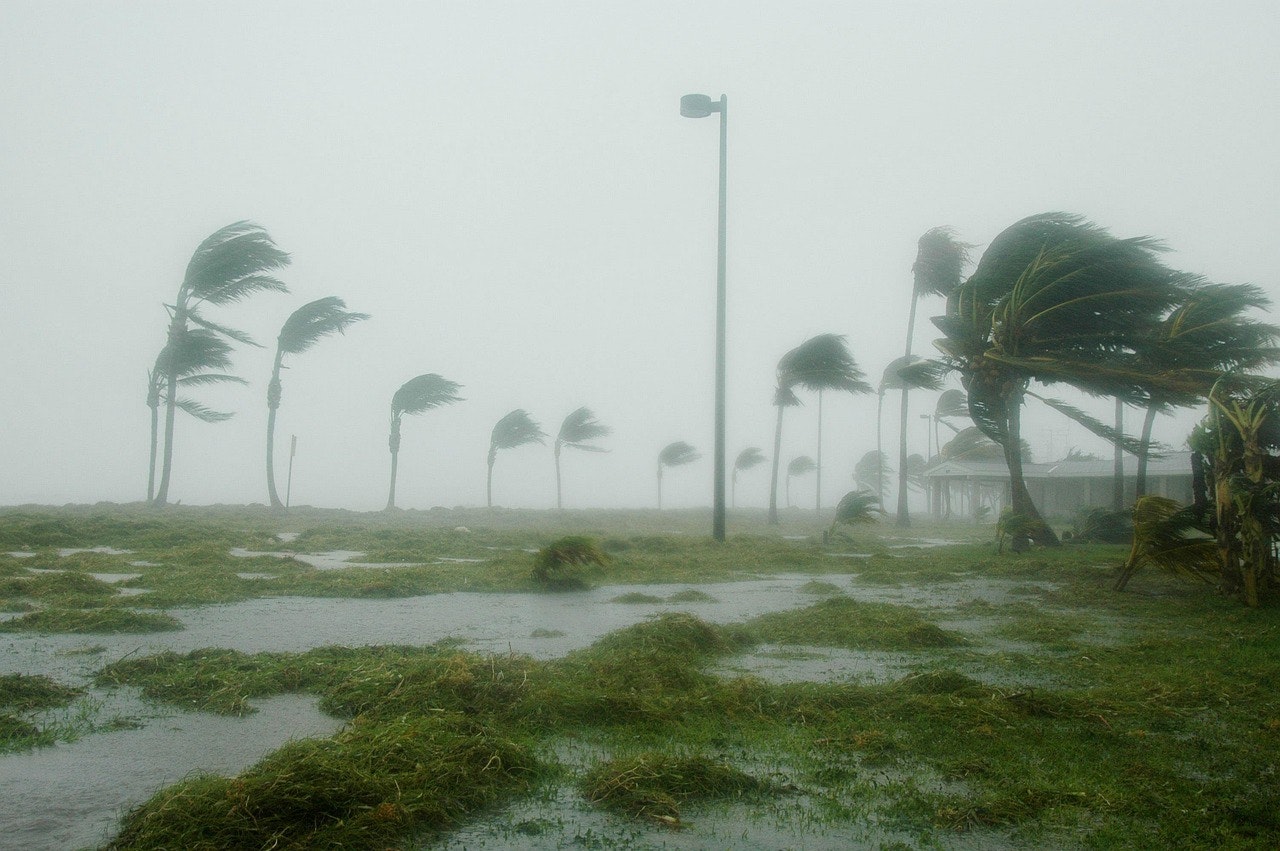
El Niño Insurance Readiness for California Organizations

Cyber Insurance for Businesses: What You Need to Know
Commercial Umbrella Liability
When Business Growth Outpaces Insurance Coverage

Business Travel Insurance Reminder
Why Business Travel Insurance Is Essential Today

The Hidden Impact of Underinsurance on Small Businesses
Spring Safety Tips For Outdoor Workers And Business Owners

Spring Maintenance Tips for Commercial Properties

Smart Add‑Ons: Commercial Insurance Riders That Can Strengthen Your Coverage

Spring Safety Tips for Commercial Drivers
Why Commercial Umbrella Coverage Is Becoming Essential for Today’s Businesses

Common Questions About Small Business Insurance: What Every Owner Should Understand